Emergency Roof Leak Checklist: What to Do Before Your Roofer Arrives
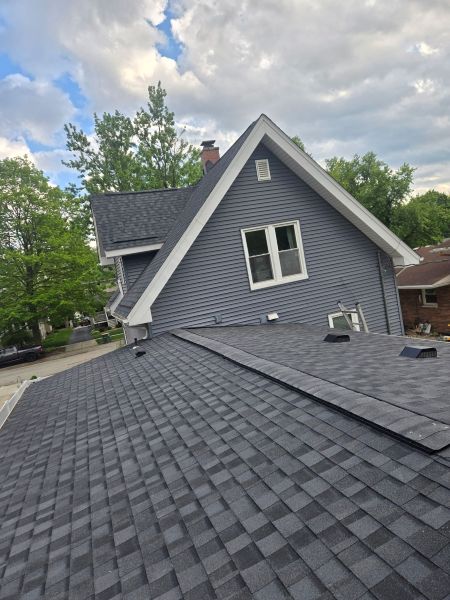
When water appears where it should not, minutes matter. A steady drip or a spreading ceiling stain can grow into bigger problems if it is ignored. This guide explains what to do first, how to keep people safe, and what information helps a roofing contractor solve the problem faster. If you suspect damage beyond a minor drip, schedule roof repair with a licensed pro and then follow the steps below to prepare.
Our goal is to help you protect your home while you wait for help. You will not find do-it-yourself repair tips here. Instead, you will find practical actions any homeowner can take to reduce stress, speed up the visit, and support a clean repair outcome from Tri-County Roofing & Gutters.
How Roof Leaks Start And Why Speed Matters
Roof leaks often follow severe weather, aging materials, or failing flashing around vents, chimneys, and skylights. Sometimes a single missing shingle lets wind-driven rain find a path inside. Other times, a tiny gap around a pipe boot grows after repeated hot and cold cycles.
Fast action lowers the chance of secondary damage. Moisture that lingers can reach insulation, drywall, and framing. It can also push a light ceiling stain into a larger, sagging area. Acting quickly and sharing clear details with your roofing contractor helps focus the first visit on the true source, not just the symptom.
Your Emergency Roof Leak Checklist
Use this simple list to get organized while staying safe. Share your notes with the crew when they arrive so they can move straight to the cause of the leak.
- Document the damage with clear photos. Take wide shots to show the room and close-ups of stains, drips, or damp spots on walls and ceilings.
- Note when you first saw the problem, what the weather was like, and whether the leak changes with wind or heavy rain.
- Collect your roof's age, last repair date, and any warranty paperwork so your contractor can review them on-site.
- Protect valuables by moving furniture, rugs, and electronics out of the affected area if it is safe to do so.
- Make pets comfortable in another room so technicians can reach the attic, garage, or side yard without delays.
- Clear driveway space for the service vehicle and make sure side gates are unlocked for quick roof and attic access.
- Write down any sounds or smells you noticed, like dripping inside walls or a musty odor after storms.
If the ceiling stain appears near a light fixture or fan, avoid using that device and keep the area clear. Electricity and water do not mix. A licensed roofer will check the area and advise on the next step.
What Not To Do During A Roof Leak
- Never climb onto the roof in wet or windy conditions. Even a low slope can be slick, and a fall can be severe.
- Do not place weight on a sagging ceiling, poke holes, or push on soft drywall. Wait for an inspection so damage is not made worse.
- Avoid using ladders in rain or gusty wind. Keep children and guests away from the affected rooms.
- Skip portable heaters or fans pointed at wet areas. Uncontrolled heat can warp materials and spread moisture.
- Do not ignore a small drip or a faint ceiling stain. “Ceiling stain help” starts with calling a pro to trace the source, even if the rain has stopped.
After-Hours Roof Repair: What To Expect From The Pros
When you call for after-hours roof repair, the first priority is to stabilize the home. Crews arrive with safety gear, lighting, and materials to diagnose the path of water and protect the structure. If a short-term cover is needed, trained technicians will tarp a roof safely, secure the edges, and seal critical seams while they plan a lasting fix for daylight hours.
The technician will also check the attic or top-floor cavity for wet insulation and active drips. They may place moisture readers and take reference photos for your records. Once the emergency is under control, your contractor will outline the repair approach, discuss suitable materials for your roof type, and schedule follow-up work if needed.
Storm seasons vary by region, but heavy downpours and fast temperature swings can expose weak points in any roof. Stay off the roof, watch for downed lines, and let trained crews handle stabilization. A short professional visit now can prevent wider damage that is harder to solve later.
How To Share Helpful Details With Your Roofer
Clear information helps your roofer locate the leak faster. Start at the visible problem and think like a map: where does water likely enter, travel, and exit? Tell the crew which rooms are affected, how many stories your home has, and whether the leak happens only during wind from a certain direction.
If you keep home maintenance notes, include the last time a chimney was serviced, gutters were cleared, or skylights were inspected. These nearby features often hold the clue. Providing access to the attic hatch and moving stored items a few feet back also speed the inspection.
Many homeowners search for emergency roof leak repair to figure out next steps. The most important step is contacting a qualified roofing contractor, then focusing on safety and documentation while you wait.
Short-Term Safety Around Leaks And Ceilings
Even a small leak can create a slippery floor. Place a visible marker or simple barrier at doorways to remind family members to take care when entering the room. Avoid standing under stained drywall or areas that look swollen or bulged. If water is near a staircase, use another route until the area is checked by a pro.
Keep people and pets away from active leak areas until a technician says the space is safe to use again. This one step reduces the chance of slips, falls, or exposure to wet materials.
Why A Professional Inspection Beats Guesswork
Water is sneaky. It can travel along rafters, drop onto ductwork, and finally drip from a spot several feet from the true entry point. A professional inspection follows the evidence from shingles to sheathing to attic to interior finishes. The result is a repair plan that corrects the source, not just the symptom you can see.
A proper fix may involve replacing damaged shingles, resealing flashing, or addressing a ventilation issue that let condensation build up. Your contractor will explain the findings in plain terms and recommend the right repair steps for your roof style and material.
Preparing Your Home For A Smooth Service Visit
Small preparations reduce time on-site and help crews work efficiently. If you have vehicles in the driveway, park to one side so the team can back in and unload safely. If you have outdoor pets, secure them in a quiet area so gates can remain open while ladders and tools are moved.
Inside, clear a path to the attic hatch or the rooms under the leak. Cover sensitive items like musical instruments or artwork and store them away from foot traffic. If your home has a security system or gated access, share any codes with the office so the team does not have to wait outside.
Ceiling Stain Help: When A Mark Means A Leak
Not every ceiling mark is a fresh leak, but new stains or edges that change size after rain deserve attention. Note the size, color, and shape of the stain. A rusty ring or brown edge can point to water that carried dust and tannins through the drywall.
If you spot a stain under a bathroom or laundry room on an upper floor, it could be a plumbing issue rather than the roof. Share that detail with your contractor so the right specialist can be involved if needed. A roofer can still help rule out the roof and direct you to the next step.
About Tarping And Temporary Covers
Online searches often ask how to tarp a roof safely. The safest answer is simple: let trained professionals handle it. Roofing crews have the fall protection, anchors, and fastening methods to secure temporary covers in a way that protects the structure without adding damage.
If your contractor recommends a temporary cover, they will explain where it will be placed and how long it should remain until permanent repairs are scheduled. This approach protects your warranty and keeps the repair plan on track.
Insurance And Documentation Basics
Every policy is different, so review your documents and follow your carrier’s instructions. Photos, dates, and written notes are helpful for any claim you choose to file. Your roofing contractor can often provide a written assessment describing the likely cause and the work performed to stabilize the home.
Keep receipts and any materials lists the crew provides. Store them with your home records so future buyers or inspectors can see a clear history of maintenance and repairs.
Why Homeowners Choose Tri-County Roofing & Gutters For Emergencies
In an urgent moment, you want a calm, capable partner. Tri-County Roofing & Gutters responds with trained technicians, clear communication, and a focus on solving the source of the leak. We take time to explain options in plain language and help you plan the right next step for your home.
If a same-day solution is available, we will outline it. If weather or daylight limits what can be done, we will stabilize the area and return to complete the repair. For ongoing issues, our roof leak repair team can build a plan to extend the life of your roof where appropriate.
Be Ready When The Roofer Arrives
Before the truck pulls up, confirm you have your notes, photos, and any warranty information handy. Make sure family members know technicians are on the way and keep pathways clear. A few minutes of preparation now help the visit go faster and help the crew focus on the true cause of the leak.
If you need immediate assistance, call 219-548-0897. You will reach a real person who can schedule service, share arrival updates, and answer basic questions about the process.
For emergency roof leak repair, contact Tri-County Roofing & Gutters right now to speak with a live specialist who can prioritize your visit.